





Technical exchange: Pultrusion composites
【 Pultrusion 】 How to choose pultrusion composite material? Its advantages and disadvantages and main applications are briefly described
Pultrusion composites are high performance fiber reinforced polymer (FRP) composites manufactured using a continuous process called pultrusion.Here, a continuous fiber (such as glass or carbon) is pulled through a thermosetting resin bath (such as epoxy, polyester or vinyl ester) and then a mold is used to form the desired shape. The resin is then cured to form a composite product that is strong, lightweight and durable.
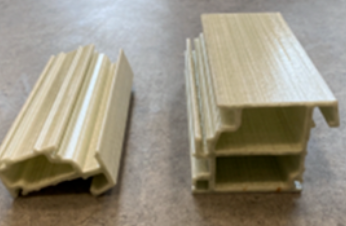
Pultruded resin
Matrix resin is an important component of pultrusion composites. Common pultrusion resins include epoxy, polyurethane, phenolic, vinyl, and thermoplastic resin systems which have been widely concerned recently. Due to the characteristics of pultrusion composites, the matrix resin needs to have low mixing viscosity and fast reaction speed under high temperature conditions. In the selection of matrix resin, not only the pultrusion reaction rate should be taken into account, but also the viscosity of the pultrusion resin, if the viscosity is relatively high, it will affect the lubrication effect of the product production.
Epoxy resin
The pultrusion composite prepared by epoxy pultrusion resin has high strength in application, can be used under high temperature conditions, and the curing speed is relatively fast. In addition, epoxy resin based fiber reinforced composite material is the main material of wind power blades and blade roots, but there are problems such as brittleness, short application period, poor permeability and high curing temperature, which increases the difficulty of molding process, resulting in waste of resources and increase in manufacturing costs, seriously restricting the development of China's wind power industry.
polyurethane
The lower viscosity of polyurethane resins allows for a higher glass fiber dosage than polyester or vinyl ester resins, which makes the flexural elastic modulus of pultruded polyurethane composites close to the properties of aluminum. Compared with other resins, it has excellent processing properties.
Phenolic resin
Due to its outstanding advantages of low toxic release, low smoke rate and flame resistance, phenolic resin pultrusion composites have gradually become a hot spot in rail transit, offshore oil drilling platforms, chemical anti-corrosion workshops and pipelines in recent years. However, the traditional phenolic resin curing reaction speed is slow, the molding cycle is long, especially the curing will produce a lot of condensation water and low molecular volatiles, in the rapid continuous production of pultrusion molding products are easy to form bubbles, leaving pores, seriously affecting the performance of the product, usually using acid catalytic system.
Vinyl ester resin
Vinyl-alcohol resin has excellent mechanical properties, heat resistance, corrosion resistance and rapid curing characteristics, and was one of the preferred resins for pultruded products around 2000.
Thermoplastic resin
Thermoplastic composites avoid the inherent defects of thermosetting composites such as poor environmental friendliness, long processing cycle, difficult recovery, etc., and have strong flexibility and impact resistance, good damage resistance and damping properties. Thermoplastic composites have strong resistance to chemical and environmental corrosion, no chemical reaction occurs during curing, and can be processed quickly. Thermoplastic composites can be reused without degradation in performance. Common thermoplastic resins are polypropylene, nylon, polyphenylene sulfide, polyether ether ketone, polyethylene, polyamide and so on.
FRP pultrusion offers several advantages over traditional materials such as metals, ceramics and non-reinforced plastics. They have unique custom design capabilities to meet specific product needs.
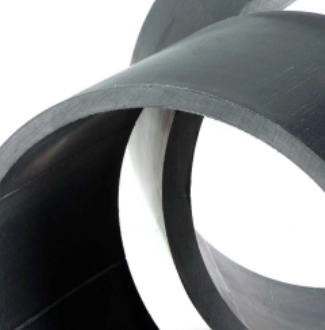
Advantages of combined pultrusion composites include:
1、Manufacturing efficiency: Pultrusion is a continuous process that offers advantages such as high yields, lower costs and faster lead times compared to alternative composite manufacturing methods.
2、High strength and rigid-to-weight ratio: Pultruded composites are strong and stiff, but light in weight. Carbon fiber pultrusions are much lighter than metals and other materials. This makes them ideal for applications that focus on weight reduction, such as aerospace, automotive, and transportation.
3、Corrosion resistance: FRP composites have strong corrosion resistance and are ideal for applications in chemical processing, Marine, oil and gas and other industries.
4、Electrical insulation: Fiberglass pultrusions can be designed not to conduct electricity, making them ideal for electrical applications where dielectric properties are required.
5、Dimensional stability: Pultrusion composites do not deform or crack over time . This is important for applications where precise tolerances are required.
6、Custom design: Pultrusion forms can be manufactured in a variety of shapes and sizes, including bars, tubes and beams, as well as more complex profiles. They are also highly customizable. Materials and processes such as fiber type, fiber volume, resin type, and surface yarn and treatment can be designed to meet specific performance and application requirements.
Disadvantages of using pultrusion composites include:
1、Limited geometry: Pultrusion composites are limited to parts with constant or near-constant cross sections. This is because of the continuous manufacturing process in which the fiber-reinforced material is pulled through the forming mold.
2、Higher cost of manufacturing parts: The molds used in pultrusion molding can be expensive. This is because the molds must be made of higher quality materials, must be able to withstand the heat and pressure of the pultrusion process, and are produced according to strict machining tolerances.
3、Low transverse strength: The transverse strength of pultruded composites is lower than the longitudinal strength. This means they are weaker in the direction perpendicular to the fibers. However, this problem can be overcome by including multi-axis fabrics or fibers in the pultrusion process.
4、If the pultrusion composite is damaged, it is difficult to repair. The entire component may need to be replaced, which can be costly and time consuming.
It is important to weigh the advantages and disadvantages of pultrusion composites before deciding whether they are suitable for your application. If you need a material with high strength, high rigid-to-weight ratio, corrosion resistance, and a constant cross section, pultrusion composites are a good choice. However, if you need a composite material with high transverse strength or complex geometry, then you may want to consider other options.
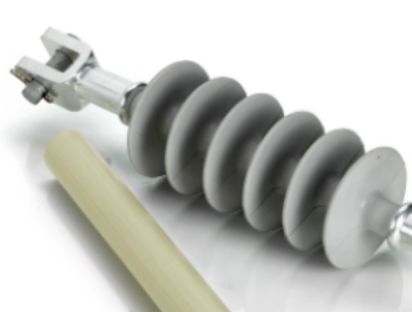
How to choose the right pultrusion composite
When choosing pultrusion components or profiles for your application, it is important to consider the following factors:
1、Mechanical performance requirements: What are the strength, stiffness and shear requirements of the application?
2、Environmental requirements: Will the composite be exposed to harsh environmental conditions, such as chemicals, salt water, or extreme temperatures?
3、Weight requirements: Is weight reduction important for the application?
4、Cost requirements: What is the budget for the application?
Part of the material from the Internet, only for learning, communication, if there is infringement please inform delete.